Magic Systems Engineering 101
How To Make Readers Believe

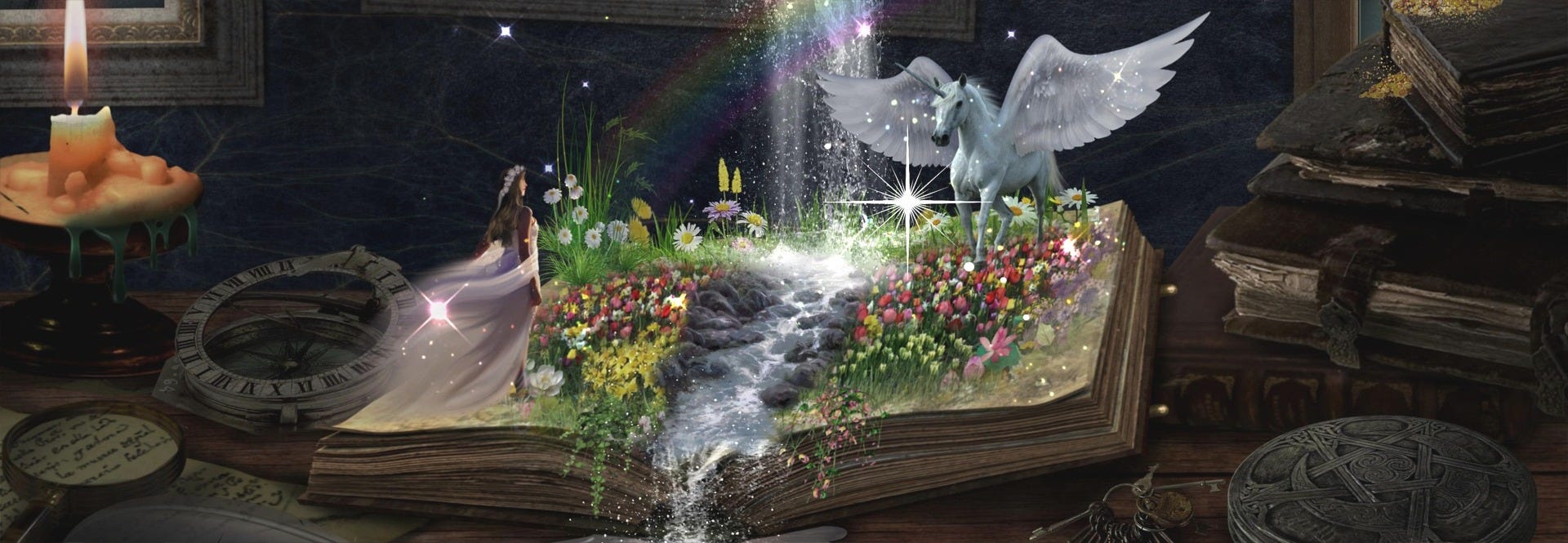
Magic is only convincing when it fits with the surrounding story. There’s a warlock who can summon storms at the flick of his wrist? Sure, that sounds sick. A ring that corrupts kings and a girl who shatters mountains with a thought? No problem, as long as the writing evokes belief. There must be an alignment of power and prose. When the language of a book and the behavior of its magic support each other, the world feels alive. If they clash, the illusion breaks, and the reader can see the wizard behind the curtain.
Before we start casting spells, let’s clarify the two major categories of magic systems. Similar to science, they’re either hard or soft. Hard magic systems explain their rules and costs in textbook fashion. Think physics and chemistry. Soft magic prefers to keep things mysterious, emphasizing the feeling over logic. Real, but intangible, like psychology or sociology. You get the analogy.
Take The Lord of the Rings, epic narratively, but hobbit-hole soft magically. It’s whimsical. Wizards, talking trees, whatever the hell Tom Bombadil is. In proper fairy tale fashion, the magic runs on vibes. It simply exists. Yes, there are thousands of years of Middle-Earth history surrounding magic and its users, but precious (wink) little information on the technical aspects of it. When Gandalf performs a feat of light, fire, or influence, it’s meant to be half-understood. Tolkien’s prose and storytelling pull it together. His writing is flowery, almost poetic in its rambling. He also doesn’t use magic as a tool to solve the plot. The Ring’s destruction came from choices, sacrifice, and chance, not spells. It’d feel cheap otherwise. Instead, everything flows together, a mark of quality craftsmanship.
Equally soft, but of a sharper flavor, is George R.R. Martin’s A Song of Ice and Fire series. Westeros has tons of supernatural elements—dragons, prophetic visions, spooky undead ice dudes—but they creep on the outskirts. Especially early on, the books read like historical fiction with the occasional magical jump scare. That restraint is intentional. Martin writes with brutal realism and political cynicism. His story thrives on human conflict, betrayal, and ambition. Could you imagine then, if every white walker or dragon scene came with an itemized breakdown of the powers at play? It’s silly even thinking about it. Martin’s prose demands that magic be less a tool and more a looming storm cloud.
Don’t worry, rules-based magic is just as brilliant.
Allomancy in Brandon Sanderson’s Mistborn series is about as hard as a system can be. It hits like a lecture in the best way possible. Allomancers can consume and internally ‘burn’ various metals to produce great effects. Pewter increases strength, tin heightens the senses, iron lets one pull on nearby metals, steel pushes them, and so on. Allomancers further fall into two categories. Mistings are those that can use only one metal, while Mistborns can use them all. Convoluted until you read it in action.
When the main character Vin fights, the thrill comes from her navigating the system’s limitations. Each battle is a puzzle to be solved. Sanderson’s style is not poetic or imaginative. His prose is very kinetic, emphasizing clarity and momentum. Effective in making such a rigid system like Allomancy feel fluid. Complex mechanics become natural to the reader because they know the rules and Sanderson tells them what is happening.
In N.K. Jemisin’s The Broken Earth trilogy, Orogeny fronts as a hard system but allows for imagination. Practitioners, known as Orogenes, manipulate thermal, kinetic, and seismic energy. So unique, it reads beautifully. Jemisin layers definition and mysticism into each book. Obelisks built by an ancient civilization, the core of the planet talking to a character, and the eventual inclusion of straight-up magic. Her emotive prose and narrative voice make the intensity of Orogeny, and the discovery of magic, a personal experience. Her system creates a platform for her themes of oppression and survival. Jemisin’s commentary further invests the reader in her world. The type of narrative feedback authors dream of writing.
There’s a lot of middle ground, though. Character-driven magic systems are especially chic right now. In Sarah J. Maas’ A Court of Thorns and Roses series, she teases complexity but ultimately keeps things simple. Classical soft magic with a flair of detail. She doesn’t dissect mechanics with scientific precision. Instead, the magic reflects identity and emotion. Rhysand, High Lord of the Night Court, is the prototypical shadow daddy. Tamlin, High Cuck of the Spring Court, can shapeshift into an enormous beast. Feyre, the main character of the first three books, frees all the courts from an oppressive ruler and gets a little bit of every lord’s power. Maas’ books are driven by romance and interpersonal tension. Her approachable prose amplifies those emotional arcs. Magic just gives an atmospheric boost.
These examples showcase the same craft truth: hard or soft, magic systems succeed when they match the voice of the story. Tolkien’s wandering prose gives wonder. Martin keeps magic on a leash to preserve realism. Sanderson’s cleanliness thrives on strict rules. Jemisin blends structure and enigma to match her themes. Maas uses powers to enhance character relationships. None of these are interchangeable, but they work within their own worlds. There’s probably a great PowerPoint about synergy to be made here.
Engineering a quality magic system isn’t about coming up with the fanciest structure or coolest powers. It’s about harmony. If the book reads like myth, then magic should feel mysterious. If a story is a tactical heist that hinges on a character’s abilities, readers need defined mechanics. Regardless of the details, magic and prose must reinforce each other. If those stars align, then anything can work.